


Eco-friendly fishing storage is reshaping how anglers protect their gear while reducing harm to marine ecosystems. By using recycled plastics, biodegradable components, and natural fibers, these solutions cut waste, lower carbon emissions, and help maintain healthier oceans. Key certifications like GRS and BPA-free labels ensure products meet high environmental standards, while advancements in material engineering deliver durability and water resistance comparable to conventional options.
Key Highlights:
- Materials: Recycled plastics reduce CO₂ emissions by 1.5 tons per ton produced. Bioplastics, though biodegradable, balance waterproofing needs. Natural fibers like hemp, treated with plant-based coatings, offer renewable alternatives.
- Impact: Ghost gear contributes 640,000 tons of ocean waste annually. Eco-friendly materials address this by breaking down naturally and avoiding microplastics.
- Performance: Products like recycled nylon tackle bags and PFC-free waterproof coatings provide durability and corrosion resistance.
- Certifications: Look for GRS, FSC, and PFC-free labels to ensure ethical sourcing and reduced environmental impact.
- Market Growth: Demand for eco-conscious fishing products is rising, with the fishing bag market projected to grow 5.6% annually, reaching $1.17 billion by 2035.
Switching to eco-friendly storage not only helps protect marine life but also supports sustainable fishing practices. Pairing these storage solutions with practical gear, like quick-dry fishing shorts, creates a responsible and efficient angling experience.
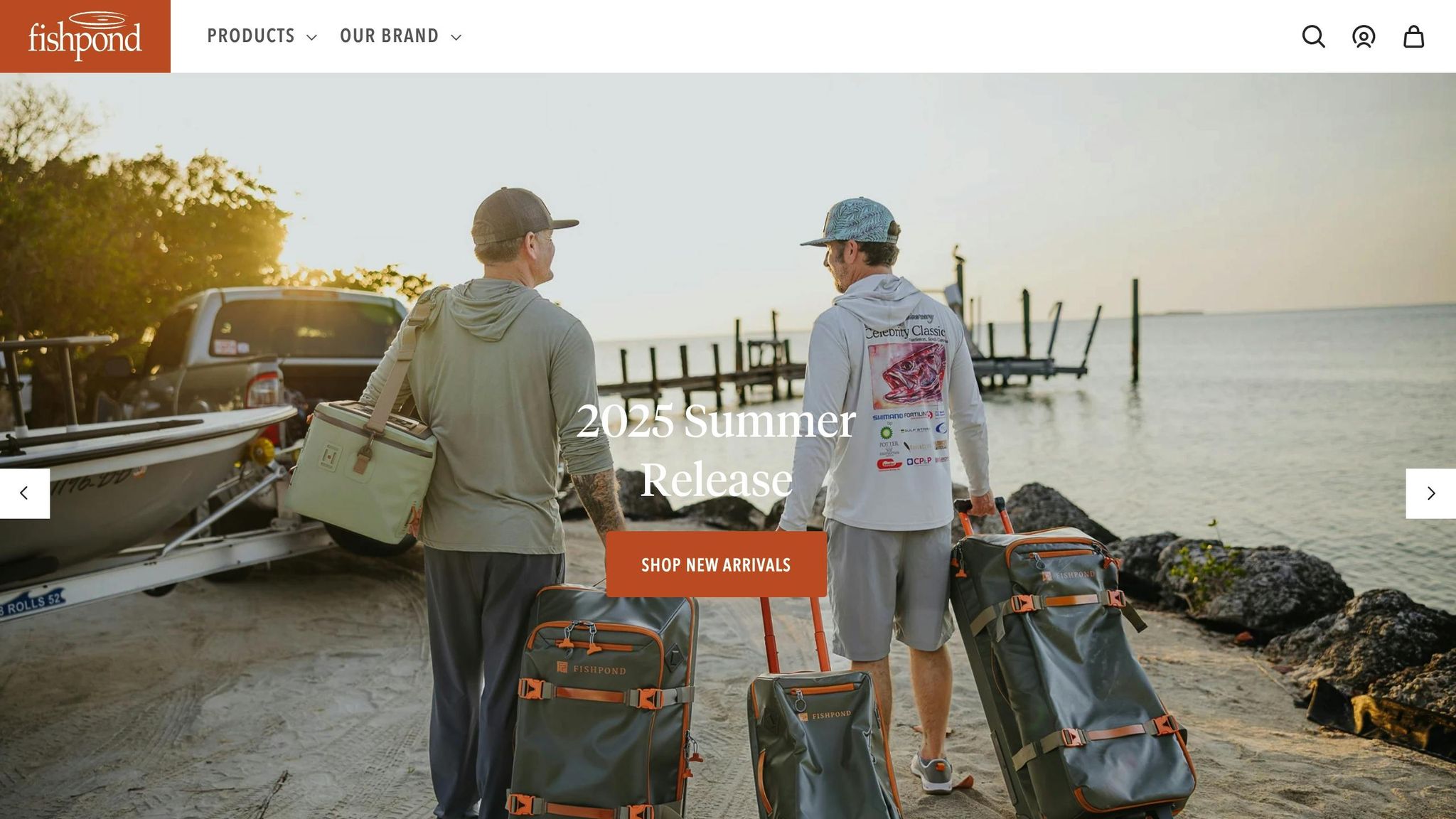
Gear review : Fishpond Cutbank Gear Bag
Eco-Friendly Materials Used in Waterproof Fishing Storage
Today's eco-friendly fishing storage solutions combine waterproof functionality with a focus on reducing environmental harm. These materials aim to deliver durability while addressing the growing problem of ocean pollution caused by discarded fishing gear.
Recycled Plastics and Bioplastics
Recycled plastics are a game-changer for sustainable fishing storage. By repurposing ocean waste into practical gear, they not only reduce waste but also lower CO₂ emissions by 1.5 tons for every ton of plastic produced compared to virgin plastics. Impressively, recycled plastics have the potential to account for up to 80% of fishing gear production, helping to tackle the 640,000 tons of ghost gear polluting oceans annually.
Bioplastics, made from renewable resources like plants, offer another eco-friendly option. Their production has grown significantly, from 0.7 million tons in 2010 to 2.11 million tons in 2019. While bioplastics are biodegradable, they often struggle with moisture and oxygen resistance compared to traditional plastics. In fishing storage, manufacturers carefully balance the need for biodegradability with the waterproofing required for practical use. For example, bio-fishing nets made from a blend of PBS (82%) and PBAT (18%) show improved wet flexibility, though their dry strength is lower.
Together, recycled plastics and bioplastics are paving the way for more sustainable fishing gear options.
Natural Fibers and Coatings
Natural fibers are becoming increasingly popular in fishing storage, particularly when paired with waterproof treatments. Renewable materials like hemp and organic cotton are excellent choices for storage bags and containers, offering eco-friendly alternatives that anglers can rely on during long trips.
To achieve water resistance, these fibers are treated with advanced coatings. Instead of relying on traditional PFC-based treatments, manufacturers are turning to plant-based waterproof coatings made from natural waxes and bio-polymers. These coatings not only provide effective water resistance but also maintain biodegradability, making them a win-win for performance and sustainability.
For anglers seeking a fully eco-friendly setup, pairing sustainable storage solutions with gear like Mens Fishing Shorts can enhance both comfort and environmental responsibility.
Material Certifications and Standards
Certifications play a key role in verifying the sustainability of fishing storage materials. Labels such as the Global Recycled Standard (GRS) and TUV NORD confirm the use of recycled materials and adherence to strict environmental guidelines. For waterproof coatings, look for certifications like "PFC-free" or "C0", which indicate bio-based or biodegradable treatments free from harmful chemicals.
Other certifications ensure safety and ethical sourcing. BPA-free labels guarantee that plastic components are free from harmful substances, while certifications like the Forest Stewardship Council (FSC) and Sustainable Forestry Initiative (SFI) verify that bio-based textiles are sourced from responsibly managed forests. Comprehensive standards, such as bluesign certification, along with ratings from the Leather Working Group (LWG) for any leather elements, provide a thorough evaluation of a product's environmental footprint.
With the demand for eco-friendly marine products expected to grow by 12% between 2023 and 2030, these certifications are increasingly crucial. They help distinguish genuinely sustainable products from those merely claiming to be eco-friendly, ensuring that consumers can make informed choices while supporting environmentally responsible manufacturing practices.
Benefits of Eco-Friendly Storage Solutions
Switching to eco-friendly storage options for fishing gear offers a range of measurable environmental advantages, impacting not just individual anglers but also the broader marine ecosystem. By incorporating recycled and biodegradable materials, these solutions actively address ocean pollution while promoting healthier seas for generations to come.
Reducing Waste and Pollution
The scale of ocean plastic pollution is staggering - 200 million metric tons already pollute our waters, with an additional 11 million metric tons added each year. Alarmingly, abandoned fishing gear, also known as ghost gear, contributes around 640,000 metric tons annually. The consequences for marine life are severe: nearly 700 species are affected, with plastics found in 60% of seabirds and every single sea turtle studied. In European waters, plastic fishing gear makes up 27% of marine litter, while single-use plastics account for 43%. Traditional fishing gear can linger in the environment for over 500 years, causing lasting harm.
Biodegradable materials offer a promising solution by breaking down naturally, avoiding the formation of harmful microplastics. For example, in the Adriatic Sea, where 78% of marine debris consists of discarded fishing gear, adopting biodegradable alternatives could significantly reduce pollution over time.
Recent trials have shown how effective these materials can be. In October 2022, researchers in Croatia tested biodegradable fishing lines made from polybutylene succinate-co-adipate-co-terephthalate (PBSAT) as a replacement for traditional nylon. These trials revealed no noticeable differences in catch efficiency or gear loss, proving that sustainable materials can perform just as well while minimizing pollution. Beyond reducing waste, these materials also contribute to a smaller carbon footprint.
Lower Carbon Footprint
Recycled plastics play a key role in cutting emissions, reducing CO₂ output by 1.5 metric tons for every ton of recycled material used compared to virgin plastics. This reduction is vital for the health of marine ecosystems. Oceans generate half of the oxygen we breathe, absorb 30% of global carbon dioxide emissions, and capture 90% of the excess heat caused by greenhouse gases. However, rising CO₂ levels lead to warmer, more acidic waters, which harm marine life and reduce the ocean’s ability to absorb carbon.
Ocean-based climate solutions could provide up to 35% of the annual greenhouse gas reductions needed by 2050 to limit global temperature rise to 1.5°C. The growing demand for sustainable marine products - projected to increase by 12% between 2023 and 2030 - reflects a rising commitment to balancing environmental care with effective fishing practices. These efforts not only curb emissions but also help protect vital marine habitats.
Protection of Marine Habitats
Eco-friendly storage solutions go beyond reducing plastic waste - they also safeguard marine habitats by preventing long-term damage and eliminating the chemical leaching associated with traditional plastics. Blue carbon ecosystems, such as seagrass beds, are particularly critical. These ecosystems store up to five times more carbon per area than tropical forests and absorb carbon from the atmosphere three times faster. Preserving them is essential for maintaining global climate stability. In fact, a single square meter of seagrass can remove about half a pound of carbon from the atmosphere, storing it in underwater soils at a rate far surpassing that of tropical rainforests.
By reducing toxic chemicals in aquatic environments, eco-friendly options benefit not only marine life but also the sustainability of recreational fishing. For anglers passionate about protecting the waters they fish, combining sustainable storage with eco-conscious gear - like Fishing shorts or Mens Fishing Shorts - offers a well-rounded approach to responsible angling.
"Eco-Friendly Gear Innovations serve as a beacon of hope, embodying the principle that we can enjoy nature's bounty without depleting its resources."
sbb-itb-cb0a783
Performance and Durability of Eco-Friendly Storage
Modern storage solutions have come a long way, offering not only sustainability but also impressive performance. For anglers questioning whether eco-friendly materials can rival traditional options, the answer is increasingly clear: they can. These materials now deliver strong water resistance, durability, and longevity, all while reducing environmental impact. This combination of sustainability and functionality is paving the way for innovative products that meet the demands of fishing enthusiasts.
Balancing Eco-Friendliness and Durability
Eco-friendly fishing storage options are proving that you don’t have to sacrifice performance for sustainability. Advances in material engineering have made it possible to create durable products using high-quality ABS+PP construction, which ensures excellent impact resistance. Features like waterproof airtight rubber gaskets, reinforced corners, and rust inhibitors provide the corrosion protection necessary for saltwater conditions.
Waterproofing remains a key requirement for fishing storage, and recycled materials are stepping up to the challenge. Recycled PVC-coated fabrics and tarpaulin materials now offer superior water resistance, making them ideal for anglers who need reliable gear in wet environments.
Examples of High-Performing Eco-Friendly Products
Real-world use shows that eco-friendly storage solutions perform exceptionally well, even in challenging conditions. Take the Gonex 3700 Tackle Trays, for instance. Certified by the Global Recycled Standard (GRS) for containing at least 50% recycled material, these trays are praised for their versatility and sturdy build.
Another standout is the LEOFISHING Fishing Tackle Storage Bag, which demonstrates how recycled materials can meet professional-grade standards. In an Amazon review from August 2023, an angler highlighted the bag’s spacious design, excellent durability, and complete waterproofing. The review specifically noted the high-quality materials and reliable zippers, even during extended fishing trips.
The Tacky Pescador fly box is another example of eco-friendly innovation. Unlike traditional options such as the Umpqua UPG HD, the Pescador uses recycled materials without compromising performance. Its silicone insert holds flies more securely than standard foam alternatives, while maintaining waterproofing to protect valuable tackle.
A comparison of materials shows how eco-friendly options now match traditional ones in key areas:
| Material | Water Resistance | UV Resistance | Abrasion Resistance | Weight |
|---|---|---|---|---|
| Recycled Nylon | ★★★★☆ | ★★★☆☆ | ★★★★★ | Medium |
| Recycled Polyester | ★★★★☆ | ★★★★☆ | ★★★★☆ | Light |
| Recycled PVC-Coated | ★★★★★ | ★★★☆☆ | ★★★★☆ | Heavy |
This table highlights the ability of eco-friendly materials to maintain high performance over time. Leading brands are already adopting these innovations. Shimano and Simms, for instance, now use recycled 1680D ballistic nylon in their premium tackle backpacks. Meanwhile, budget-friendly options from Piscifun and KastKing feature sustainable 600D and 900D polyester, offering affordability without compromising quality.
Recycled nylon, in particular, stands out for its abrasion resistance and quick-drying properties, even in saltwater conditions. While it may fade slightly faster under UV exposure compared to virgin materials, its overall durability and environmental benefits make it a smart choice for eco-conscious anglers.
Pairing these advanced storage solutions with eco-friendly Mens Fishing Shorts creates a complete system that supports both performance and environmental responsibility.
Using Eco-Friendly Storage with Angler Gear
Eco-friendly storage isn't just about using sustainable materials - it's about creating systems that enhance both performance and environmental responsibility. By combining eco-conscious storage solutions with practical fishing apparel, you can improve functionality while keeping your environmental footprint in check.
Ergonomic Design and Utility
Today's eco-friendly fishing storage focuses on ergonomic designs that prioritize comfort and practicality. The best options distribute weight evenly and make it easy to access your gear, all while using sustainable materials like recycled nylon and polyester for durability.
Take the PLUSINNO Fishing Backpack as an example. It showcases how recycled materials can deliver a spacious, durable, and ergonomic design that anglers trust for long fishing trips.
Eco-friendly tackle bags and fishing shorts often feature water-resistant, quick-dry fabrics, ensuring you're prepared for any weather. Look for storage options with multiple compartments and dedicated tool holders. When paired with apparel that includes built-in storage, these features keep your gear organized and easy to find - saving you time and effort on the water.
Pairing with Comfort Apparel
Comfortable fishing apparel takes your setup to the next level by working seamlessly with eco-friendly storage. Padded fishing shorts made from quick-dry, water-resistant materials are a great match for sustainable tackle bags, offering extra storage and comfort.
For instance, fishing shorts with functional storage pockets can hold smaller items like hooks and leaders, while larger gear fits neatly into an eco-friendly backpack or chest pack. This balance of storage ensures you're not overloaded, even on long fishing trips.
Different fishing styles call for different combinations of storage and apparel. If you're bank fishing, a backpack paired with shorts featuring zippered pockets is ideal. For wade fishing, chest or hip packs combined with quick-dry shorts work best. On a boat, larger tackle bags are a practical choice since weight distribution is less of a concern.
Choosing sustainable products for both storage and apparel amplifies the environmental benefits. For example, tackle bags made from recycled fishing nets and UPF 50+ shirts crafted from recycled plastic bottles show a clear commitment to protecting our oceans.
For a fully integrated fishing system, consider pairing eco-friendly tackle bags with fishing shorts from Reel Comfort. These shorts are designed with removable thigh pads, quick-dry and water-resistant fabrics, and practical storage pockets - offering a setup that's built for performance and sustainability.
The Future of Fishing Storage Materials
The fishing storage industry is undergoing a major transformation, driven by the push for eco-friendly solutions and a rising demand from environmentally conscious consumers. With U.S. recreational angling expected to reach 73.9 million participants by 2025 - a 26.1% increase since 1985 - there’s a clear need for sustainable fishing gear to meet this growing interest. These shifts are paving the way for technological advancements that are changing how fishing gear is designed and used.
Take plant-based plastics, for example. They’re now being used to create tackle boxes and tool handles that maintain the toughness of traditional materials while significantly reducing their environmental footprint. Waterproof storage systems have also evolved, featuring compartments for temperature-sensitive items and quick-access tools, blending functionality with sustainability. Additionally, multi-functional backpacks with built-in rod holders are gaining popularity, especially among younger and female anglers who value convenience and efficiency.
The market data underscores this momentum. A striking 75% of consumers are willing to spend more on products made with recycled materials. And the fishing bag market, currently valued at $681.5 million, is projected to reach $1,175.2 million by 2035, growing at a steady annual rate of 5.6%.
Real-world innovations are already making waves. In February 2024, Zunibal and AZTI introduced biodegradable Fish Aggregating Devices made from bio-based PBS, a material derived from sugarcane, cassava, and corn. Certified biodegradable under the ISO 19679 standard, this material breaks down into CO₂ and water without leaving harmful residues when submerged. This breakthrough not only reduces environmental harm but also sets a new standard for high-performance, eco-conscious fishing gear.
The trend toward sustainable materials is also influencing how fishing systems are designed. Many brands are now combining eco-friendly storage solutions with performance apparel, creating comprehensive setups for anglers. For instance, premium Fishing shorts (also known as Mens Fishing Shorts) made from quick-dry, water-resistant fabrics pair perfectly with sustainable tackle bags. These setups offer anglers the dual benefits of practicality and environmental responsibility.
Companies like OceanPackage are taking bold steps by producing reusable cases made from at least 30% recycled ocean plastic and incorporating over 80% recycled materials overall. Considering that only 9% of plastic waste is recycled globally, this shift in the fishing storage industry isn’t just a passing trend - it’s a necessary step toward reducing environmental damage and shaping a more sustainable future.
FAQs
What are the environmental advantages of using eco-friendly materials in fishing storage solutions?
Using eco-friendly materials for fishing storage solutions offers meaningful benefits for the environment. Materials like biodegradable or recycled options play a key role in cutting down pollution and limiting harmful chemical buildup in aquatic ecosystems. By opting for these sustainable alternatives, anglers take an active step in safeguarding marine life and maintaining biodiversity.
What’s more, producing eco-friendly materials often consumes less energy, conserving natural resources and reducing the environmental footprint of fishing activities. Choosing sustainable storage options is an easy yet impactful way to enjoy your time on the water while contributing to the well-being of our planet.
What are the differences between recycled plastics and bioplastics in terms of performance and sustainability for fishing gear?
Recycled plastics have become a go-to material for fishing gear thanks to their strength and resilience. These materials are built to last and can withstand the harsh conditions that come with fishing. Plus, opting for recycled plastics helps cut down on waste and supports the idea of reusing materials in a circular system.
Bioplastics, meanwhile, take a greener approach as they're made from renewable resources and often break down more easily in the environment. That said, they tend to fall short when it comes to the durability and rigidity needed for heavy-duty fishing tasks, making them less suited for high-stress situations.
While bioplastics hold promise as an eco-friendly alternative, recycled plastics strike a better balance between reliability and lifespan. This makes them the preferred choice for fishing gear that needs to handle tough conditions and constant exposure to water.
What certifications guarantee that fishing storage products are eco-friendly and sustainable?
To make sure fishing storage products genuinely support eco-friendly and sustainable practices, check for trusted certifications that verify their environmental impact. Some essential ones to look for include the Marine Stewardship Council (MSC), which advocates for sustainable fishing, and the Aquaculture Stewardship Council (ASC), which promotes responsible aquaculture. Another important certification is BAP (Best Aquaculture Practices), which focuses on environmental care and product safety.
These certifications ensure that the materials and methods used in fishing storage meet sustainability standards, helping to protect marine ecosystems and encourage ethical production practices.


