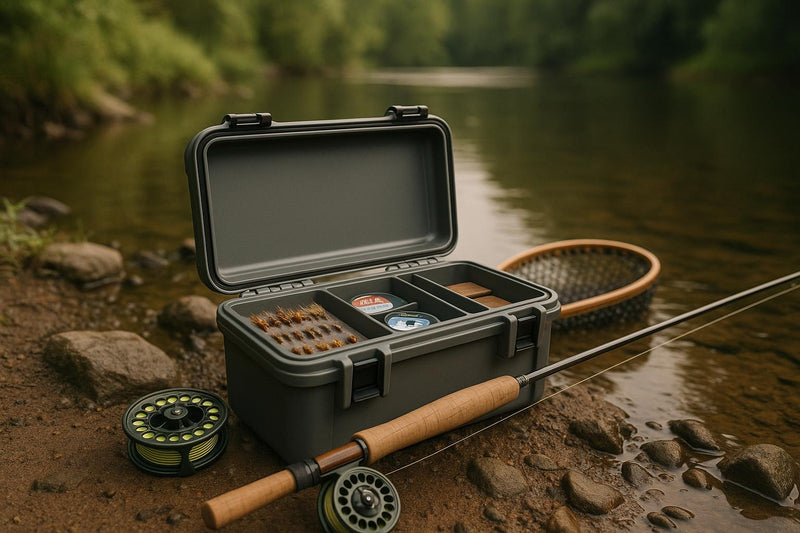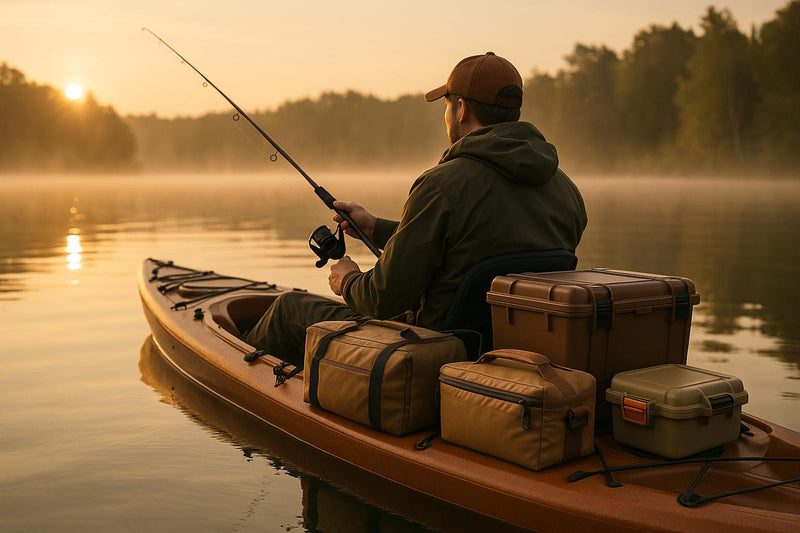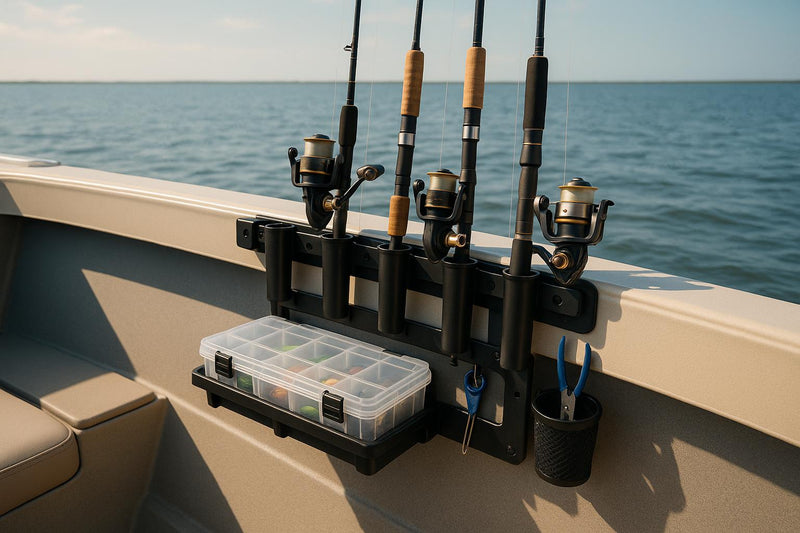


If you're tired of dealing with rusted hooks, corroded reels, or damaged fishing gear, a waterproof tackle box is the solution you need. These boxes keep your equipment dry, organized, and protected, whether you're fishing in saltwater, freshwater, or rough conditions. Here's what you need to know:
- Why It Matters: Moisture, especially from saltwater, quickly damages metal components like hooks and reels, shortening their lifespan and reducing performance.
-
Key Features to Look For:
- Seals: Look for 360° gaskets or Dura-Dry O-ring seals for a watertight barrier.
- Latches: Opt for multiple heavy-duty latches (ideally four) to ensure a secure close.
- Durability: Choose corrosion-resistant materials for hinges and latches.
- Benefits: Keeps gear rust-free, extends equipment life, and improves organization, especially in wet or unpredictable conditions.
- Maintenance Tips: Clean and dry the box after every trip, inspect seals and latches regularly, and store it in a cool, dry place.
Pair your tackle box with quick-dry fishing apparel, like padded fishing shorts, for added comfort and convenience during long trips. Investing in the right gear ensures your fishing setup stays efficient and reliable.
What to Look for When Buying a Waterproof Tackle Box
When choosing a waterproof tackle box, it’s all about the details. A good box doesn’t just keep your gear dry - it also protects your equipment from rust and damage.
Waterproof Seals and Technology
The seal is the heart of any waterproof tackle box. Look for features like a 360° gasket or a Dura-Dry O-ring seal. These create a tight barrier that blocks moisture from getting inside, keeping your tackle dry and safe from corrosion. O-ring seals, in particular, are designed to compress evenly when the box is closed, ensuring a continuous, watertight seal.
Pay attention to the latches, too. Opt for multiple heavy-duty latches - four is ideal - that lock securely and apply consistent pressure on the seal. This not only keeps the box tightly closed but also minimizes the chance of accidental openings. Finally, check the overall build quality to ensure the box can withstand regular use.
Durability and Material Quality
The materials used for the latches and hinges are just as important as the seal. Make sure they’re made from corrosion-resistant materials. This helps maintain the waterproof performance of the box over time, even in challenging conditions.
For those long fishing sessions, consider pairing your tackle box with comfortable fishing gear, like Fishing Shorts or Men’s Fishing Shorts. Staying comfortable can make all the difference when you’re out on the water.
Best Waterproof Tackle Box Models and Their Features
Choosing the right waterproof tackle box can make your fishing trips more effective and enjoyable. With various models offering unique features tailored to different fishing environments, understanding these differences helps you find the perfect match for your needs.
Waterproof Tackle Box Feature Comparison
When evaluating waterproof tackle boxes, pay attention to features like sealing technology, durability, material quality, and overall design. Many models are built with advanced sealing systems and tough materials to handle both saltwater and freshwater conditions. These features often vary depending on the box's size, construction, and intended functionality.
Picking the Right Model for Your Fishing Style
The best tackle box for you depends on your fishing environment and technique. Saltwater anglers, for instance, should look for boxes with excellent corrosion resistance and tight seals to protect gear from the harsh marine environment. Freshwater anglers might prioritize models with spacious compartments to neatly organize rods, lures, and other gear. Fly fishermen, who often handle delicate equipment, benefit from boxes with secure, well-organized compartments to keep everything in place. For shore anglers, lightweight options are ideal, especially when long fishing trips are in the mix, as they provide waterproof protection without adding unnecessary weight.
Of course, having the right tackle box is just one part of a successful fishing setup. Pairing it with the right gear can take your experience to the next level.
How Additional Gear Can Improve Your Setup
A well-chosen tackle box paired with the right fishing apparel can make a noticeable difference during your trips. Spending hours managing tackle and switching out lures is far more comfortable when you're equipped with the right clothing.
For example, Mens Fishing Shorts provide practical storage pockets and water-resistant fabric, making them a great companion to your tackle box. These Fishing Shorts are also designed with quick-dry technology, ensuring you stay comfortable and dry, even during long days on the water.
sbb-itb-cb0a783
How to Maintain Your Waterproof Tackle Box
Keeping your tackle box in top shape requires regular cleaning and inspections. This not only ensures its performance but also prevents rust and damage to the seals. The combination of saltwater, fish residue, and bait can take a toll on even the sturdiest tackle boxes, so consistent care is key to making it last.
Cleaning and Drying Methods
After every fishing trip, empty your tackle box completely. Remove all trays and toss any damaged gear that could contaminate the rest of your equipment.
Wash the box using warm water mixed with mild dish soap. Use a soft brush or sponge to scrub all surfaces thoroughly. If the box is particularly dirty or has lingering odors, soak the trays in soapy water for about 15–20 minutes before scrubbing.
Avoid using harsh chemicals, as they can harm the plastic and the waterproof seals. Once cleaned, rinse everything with fresh water to remove soap residue. Drying is just as important - wipe off excess water with a towel, then let the box air-dry in direct sunlight or a well-ventilated area. Never store your tackle box or gear while it’s still wet, as this can lead to rust and mold.
When everything is dry, check the seals and latches to ensure the box remains watertight.
Checking Seals and Latches
The waterproof performance of your tackle box hinges on the condition of its seals and latches. Inspect these parts regularly for cracks, wear, or any damage that might let water in.
After fishing - especially if your gear or box has gotten wet - open the box fully to allow air to circulate. This simple step helps prevent moisture from causing rust, and it’s a good habit to include in your post-trip routine.
Make sure the latches operate smoothly and close securely. If they aren’t functioning properly, the box’s waterproofing could be compromised. For extra protection against rust, place silica gel packets or anti-rust tabs inside the box. Some waterproof tackle boxes even come with built-in desiccants to help control humidity.
Proper Storage and Long-Term Care
Store your tackle box in a cool, dry place, away from extreme temperatures. High heat or cold can warp the plastic and damage the seals over time. Avoid areas like basements, garages, or sheds where temperature swings are common.
After every fishing trip, clean and dry your tackle box thoroughly to prevent rust and corrosion. This is especially important after saltwater trips, as salt residue can speed up deterioration. For long-term storage, adding silica gel packets can help keep moisture at bay.
Taking care of your tackle box not only extends its life but also protects your other fishing gear. And for a more comfortable fishing experience, consider pairing your well-maintained gear with high-quality Fishing shorts. These Mens Fishing Shorts combine durability, comfort, and style - perfect for your next angling adventure.
Building Your Complete Fishing Gear Setup
At the heart of any well-prepared fishing setup is a waterproof tackle box. This essential piece of gear not only keeps your tackle organized but also protects it from rust and damage. From there, you can expand your setup with tools, apparel, and accessories that enhance both productivity and comfort.
Main Points for Choosing and Using Waterproof Tackle Boxes
Think of your tackle box as the command center for your fishing gear. A waterproof design ensures your tackle stays dry and rust-free, while adjustable compartments make it easy to keep everything neatly sorted. Some models even offer built-in rig boards for added convenience, allowing you to create a system tailored to your needs.
For example, the KastKing HyperSeal Waterproof Tackle Box, priced at $34.99, has become a favorite among anglers, boasting a 4.96-star rating from 189 reviews for its durability and reliability.
When assembling your tackle box, include these must-have tools: needle-nose pliers for removing hooks and tightening knots, fishing scissors for cutting lines and bait, and hook removers for added safety. Be sure to select gear that aligns with your preferred fishing style for maximum efficiency.
This well-organized foundation sets the stage for better performance on the water.
Improving Comfort and Performance
While your tackle box protects your gear, your clothing and accessories play a key role in ensuring a successful and enjoyable fishing trip. Long hours on the water require comfort and functionality, so pairing your tackle box with performance fishing apparel is a smart move.
In Fall 2025, Huk Gear launched its Airweight Collection, described as:
"Built for comfort and serious on-the-water performance"
Invest in quality fishing shorts made with moisture-wicking fabrics and smart storage options. These features not only keep you comfortable but also provide easy access to small essentials during long fishing sessions. For added convenience, consider fishing backpacks or sling bags. Many are designed to hold tackle trays and come equipped with rod holders and dedicated tool pockets.
Essential tools like fishing pliers, fillet knives, floating fish lip grippers, and braid scissors can be stored in these bags for quick access. Don’t forget a small bottle of sunscreen - keeping it with your gear ensures you’re always prepared to protect your skin during those long days under the sun.
By focusing on comfort and efficiency, you’ll be better equipped to enjoy and excel during your fishing adventures.
Customizing Your Fishing Setup
With your organized tackle box and comfort-focused gear in place, it’s time to personalize your setup to match your fishing style. Adjustable dividers and clear lids make it easier to organize and quickly locate your tackle.
Pat Ogletree from Salt Strong emphasizes the importance of waterproof tackle boxes, saying:
"It is actually important to get a waterproof tackle box for your hooks because you want to prevent the saltwater and salty air from eating away at the metal hooks"
To further protect your gear, consider adding silica gel packs to metal compartments. For more advanced setups, you can incorporate livewells, baitwells, or aerators to keep bait and catches fresh. Fishing vests are another great addition, providing easy access to essential items. And don’t overlook the importance of carrying your fishing license - it’s a legal requirement and should always be part of your gear.
Start with a sturdy waterproof tackle box as your foundation, then build around it with performance apparel, essential tools, and personalized accessories. This approach ensures that every fishing trip is not only productive but also enjoyable.
FAQs
What makes a waterproof tackle box better than a regular one?
A waterproof tackle box is a game-changer for anglers, especially when fishing in wet conditions or saltwater. It keeps your gear dry, which is essential for avoiding rust and corrosion. This means your hooks, lures, and other tools last longer. Plus, it safeguards delicate items like electronics from moisture damage.
However, there's a small but important tip to keep in mind: make sure the box is completely dry before sealing it. Any trapped water inside can cause problems down the line. In short, waterproof tackle boxes are a dependable option for protecting your fishing gear and keeping it in top shape.
What’s the best way to maintain the seals and latches on my waterproof tackle box for long-term use?
To keep your waterproof tackle box working at its best, it's important to give some attention to its seals and latches. Check them regularly for any dirt, debris, or cracks that could affect their performance. Clean the seals gently using fresh water and a soft cloth to avoid buildup that might weaken their effectiveness.
For added care, use a silicone-based lubricant on the seals and latches every now and then. This helps maintain their flexibility and ensures they operate smoothly - especially handy before heading out on longer fishing trips. Always double-check that the latches are securely closed after each use to keep water out.
When you're not using the tackle box, store it in a cool, dry spot to protect the seals and hardware from unnecessary wear and tear.
What features are most important in a waterproof tackle box for saltwater fishing?
When picking a waterproof tackle box for saltwater fishing, prioritize a few key features to protect your gear. Start with corrosion-resistant materials - saltwater can be tough on equipment, so durable materials are a must. Next, make sure the box has waterproof seals to keep everything inside dry, no matter the conditions. Large, adjustable compartments are also helpful for neatly organizing your saltwater-specific tackle.
For extra protection, consider boxes with moisture control options, such as spaces designed for silica gel packs. These help combat rust and keep your gear in great shape, even when you're out in harsh marine environments.